
Why Manual Therapy is Essential for Physical Therapy Success
- aaskptrehab
- Jan 13
- 3 min read

Physical therapy is a cornerstone of recovery for many individuals dealing with injuries, chronic pain, or mobility issues. Among the various techniques used by physical therapists, manual therapy stands out as a highly effective approach. This hands-on treatment method involves skilled manipulation of muscles, joints, and soft tissues to promote healing and restore function. Understanding why manual therapy advantages are essential can help patients and practitioners alike appreciate its role in achieving successful physical therapy outcomes.
Understanding Manual Therapy Advantages in Physical Therapy
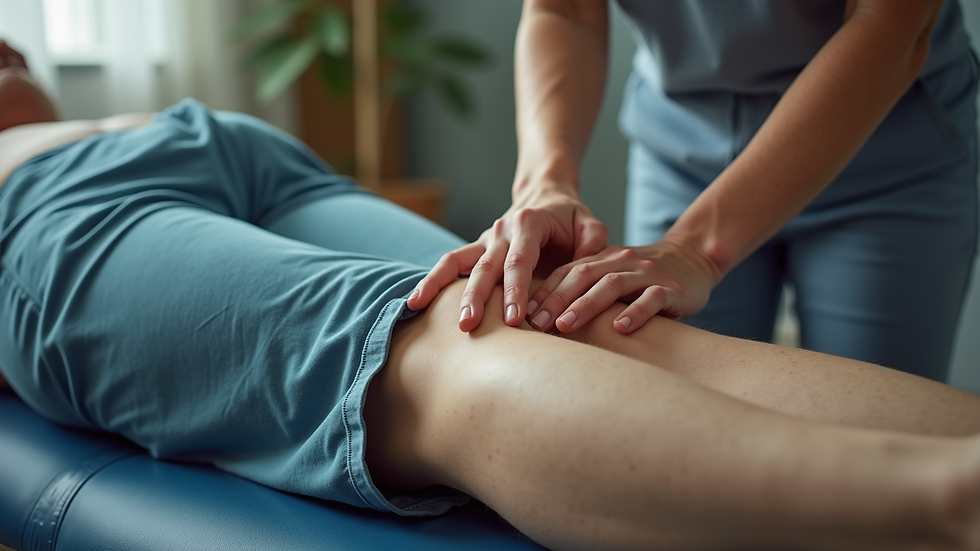
Manual therapy includes a range of techniques such as joint mobilization, soft tissue massage, and myofascial release. These techniques are performed by trained therapists who use their hands to apply pressure and movement to targeted areas of the body. The advantages of manual therapy in physical therapy are numerous:
Improved joint mobility: Manual therapy helps loosen stiff joints, allowing for better movement and flexibility.
Pain reduction: By targeting specific tissues, manual therapy can reduce inflammation and alleviate pain.
Enhanced circulation: The manipulation of soft tissues promotes blood flow, which supports healing.
Muscle relaxation: Manual therapy can relieve muscle tension and spasms, improving comfort and function.
Increased range of motion: Patients often experience greater freedom of movement after manual therapy sessions.
These benefits contribute to faster recovery times and better overall outcomes in physical therapy programs.

How Manual Therapy Complements Other Physical Therapy Techniques
Manual therapy is rarely used in isolation. Instead, it complements exercises, stretches, and other modalities such as electrical stimulation or ultrasound. When combined, these approaches create a comprehensive treatment plan tailored to the patient’s needs.
For example, a patient recovering from a shoulder injury might receive manual therapy to reduce joint stiffness and muscle tightness. Following this, the therapist may guide the patient through specific exercises to strengthen the shoulder muscles and improve stability. This combination ensures that the joint is not only more mobile but also supported by stronger muscles, reducing the risk of re-injury.
Additionally, manual therapy can prepare the body for exercise by warming up tissues and reducing pain, making it easier for patients to participate actively in their rehabilitation.
What are the effects of manual therapy?
The effects of manual therapy extend beyond immediate pain relief. Research and clinical experience show that manual therapy can:
Decrease muscle guarding: Muscles often tighten around injured areas to protect them, but this can limit movement and cause discomfort. Manual therapy helps reduce this guarding.
Restore normal joint mechanics: Dysfunctional joint movement can lead to further injury. Manual therapy techniques aim to restore proper joint alignment and function.
Stimulate the nervous system: Certain manual therapy methods can influence nerve function, helping to modulate pain signals and improve muscle activation.
Promote tissue healing: By increasing blood flow and reducing scar tissue, manual therapy supports the body’s natural healing processes.
These effects contribute to improved function and quality of life for patients undergoing physical therapy.

Practical Recommendations for Incorporating Manual Therapy
For patients and therapists looking to maximize the benefits of manual therapy, consider the following practical tips:
Communicate openly: Patients should describe their pain and mobility issues clearly to help therapists target the right areas.
Be consistent: Regular manual therapy sessions, combined with home exercises, yield the best results.
Stay informed: Understanding the goals and techniques of manual therapy can empower patients to participate actively in their recovery.
Follow professional advice: Therapists tailor manual therapy to individual needs, so it’s important to follow their guidance closely.
Monitor progress: Keep track of improvements in pain, mobility, and function to adjust treatment plans as needed.
By following these recommendations, patients can experience the full range of manual therapy benefits and enhance their physical therapy success.
Exploring the manual therapy benefits in Rehabilitation
Manual therapy benefits extend beyond immediate symptom relief. They play a crucial role in long-term rehabilitation by addressing the root causes of pain and dysfunction. For example, in cases of chronic lower back pain, manual therapy can help correct postural imbalances and improve spinal mobility, reducing the likelihood of future flare-ups.
Moreover, manual therapy can be adapted to suit various conditions, from sports injuries to arthritis. This versatility makes it an indispensable tool in the physical therapist’s arsenal.
Embracing Manual Therapy for Lasting Physical Health
Incorporating manual therapy into physical therapy programs offers a holistic approach to healing. It addresses not only the symptoms but also the underlying mechanical and muscular issues that contribute to pain and limited function. Patients who engage in manual therapy often report improved comfort, greater mobility, and enhanced confidence in their physical abilities.
For those seeking effective rehabilitation, understanding and utilizing the advantages of manual therapy can make a significant difference. Whether recovering from surgery, managing chronic conditions, or improving athletic performance, manual therapy provides a hands-on solution that supports lasting physical health and well-being.

Comments