
Discover Effective Manual Therapy Techniques
- aaskptrehab
- Jan 13
- 4 min read

Manual therapies have become a cornerstone in managing pain, improving mobility, and enhancing overall well-being. These hands-on techniques focus on manipulating muscles, joints, and soft tissues to promote healing and restore function. Whether you are recovering from an injury or seeking relief from chronic discomfort, understanding effective manual therapies can empower you to make informed decisions about your health.
Understanding Effective Manual Therapies
Effective manual therapies involve skilled physical manipulation by trained therapists to address musculoskeletal issues. These therapies are designed to reduce pain, increase range of motion, and improve circulation. Common types include massage therapy, joint mobilization, myofascial release, and trigger point therapy.
Each technique targets specific tissues and conditions. For example, joint mobilization gently moves joints to restore normal movement, while myofascial release focuses on loosening tight connective tissue. These therapies are often combined with exercise and other treatments for optimal results.
Benefits of Manual Therapies
Pain relief: Manual therapies can reduce muscle tension and inflammation, easing discomfort.
Improved mobility: Techniques help restore joint flexibility and muscle function.
Enhanced circulation: Increased blood flow promotes healing and tissue repair.
Stress reduction: The hands-on approach can relax the nervous system and reduce anxiety.
Prevention: Regular therapy sessions can prevent injury by maintaining muscle balance.

Common Types of Effective Manual Therapies
There are several manual therapy techniques that practitioners use depending on the patient’s needs. Here are some of the most effective and widely used:
1. Massage Therapy
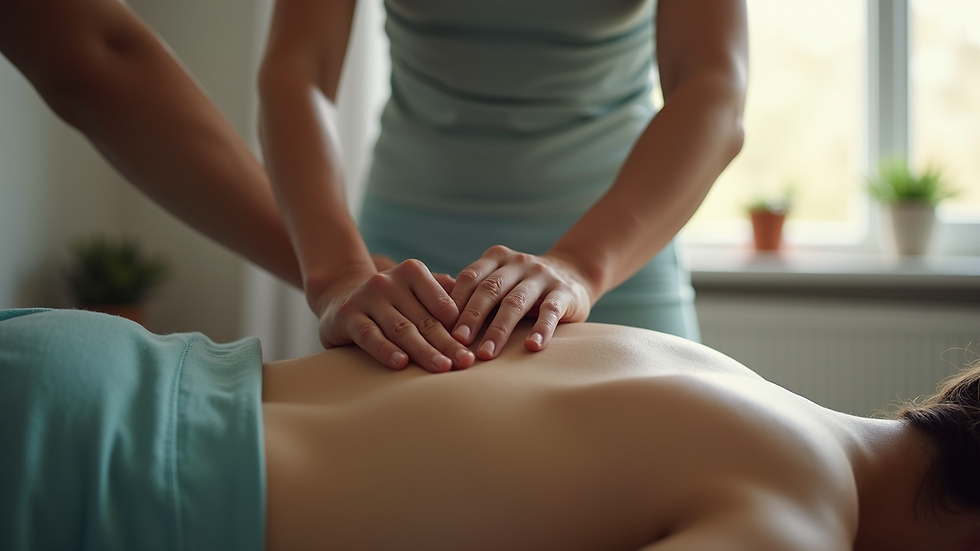
Massage therapy involves rhythmic pressure and movement of muscles and soft tissues. It helps relieve muscle tightness, improve circulation, and reduce stress. Different styles include Swedish massage, deep tissue massage, and sports massage.
2. Joint Mobilization and Manipulation
These techniques involve passive movement of joints to restore normal function. Mobilization uses slow, controlled movements, while manipulation involves quick, precise thrusts. Both aim to reduce stiffness and improve joint mechanics.
3. Myofascial Release
This technique targets the fascia, the connective tissue surrounding muscles. By applying gentle sustained pressure, therapists release restrictions and improve tissue elasticity. It is especially helpful for chronic pain and postural issues.
4. Trigger Point Therapy
Trigger points are tight knots in muscles that cause pain and discomfort. Applying focused pressure to these points helps release tension and alleviate referred pain patterns.
5. Soft Tissue Mobilization
This involves stretching and kneading muscles and tendons to break down scar tissue and adhesions. It enhances flexibility and promotes healing after injury.
How to Choose the Right Manual Therapy
Selecting the appropriate manual therapy depends on your specific condition, goals, and preferences. Here are some tips to guide your choice:
Consult a professional: A licensed physical therapist or chiropractor can assess your needs and recommend suitable techniques.
Consider your symptoms: For joint stiffness, mobilization may be best; for muscle knots, trigger point therapy could help.
Evaluate your comfort: Some therapies involve deep pressure, which may not be suitable for everyone.
Check credentials: Ensure your therapist is certified and experienced in the techniques they offer.
Combine with other treatments: Manual therapies often work best alongside exercise, stretching, and lifestyle changes.
Incorporating Manual Therapy into Your Wellness Routine
Manual therapy is not just for injury recovery; it can be a valuable part of ongoing self-care. Here’s how to integrate it effectively:
Schedule regular sessions: Consistency helps maintain muscle balance and joint health.
Practice self-care: Use foam rollers, stretching, and heat therapy between sessions.
Stay active: Gentle exercise supports the benefits of manual therapy.
Communicate with your therapist: Share feedback about pressure levels and pain to tailor treatments.
Set realistic goals: Understand that manual therapy is part of a broader approach to health.
For those interested in exploring more about manual therapy techniques, professional resources and blogs can provide valuable insights and updates on the latest practices.
Maximizing the Benefits of Manual Therapies
To get the most out of manual therapies, consider these practical recommendations:
Hydrate well: Drinking water before and after sessions helps flush out toxins released during therapy.
Rest adequately: Allow your body time to recover and adapt to the treatment.
Maintain good posture: Proper alignment reduces strain and supports therapy outcomes.
Avoid overdoing it: Follow your therapist’s advice on session frequency and intensity.
Monitor progress: Keep a journal of symptoms and improvements to track effectiveness.
By following these guidelines, you can enhance the healing process and enjoy long-term relief.
Embracing a Holistic Approach to Health
Manual therapies are a powerful tool, but they work best when combined with a holistic approach. This includes:
Balanced nutrition: Supports tissue repair and overall health.
Stress management: Techniques like meditation and breathing exercises complement physical therapy.
Adequate sleep: Essential for recovery and pain modulation.
Regular physical activity: Keeps muscles strong and joints flexible.
Together, these elements create a foundation for sustained wellness and improved quality of life.
Exploring effective manual therapies opens the door to natural, non-invasive ways to manage pain and improve function. Whether you are dealing with an acute injury or chronic condition, these hands-on techniques offer practical solutions tailored to your needs. By understanding the options and working with skilled professionals, you can take proactive steps toward better health and mobility.

Comments